

Everything you need to know about silent air humidifiers — from health benefits and ideal placement to maintenance tips and smart buying advice.
If you have ever woken up with a dry throat, noticed your skin feeling tight in winter, or watched static electricity zap your fingers on every door handle, dry indoor air is almost certainly the cause. A silent air humidifier is the most elegant, low-effort solution to all of these problems at once. This guide covers everything you need to know before you invest in one.
01
What Is a Silent Air Humidifier?
A silent air humidifier is a compact home appliance that releases a fine, cool mist into your indoor environment to raise the moisture level of the surrounding air. Unlike older humidifier models that used heating elements and produced noise, modern silent versions rely on ultrasonic vibration technology that operates at frequencies the human ear cannot detect, making them almost completely inaudible.

What sets a silent humidifier apart from a standard one?
- Uses ultrasonic plates rather than boiling water, so there is no gurgling or hissing sound
- Runs cool, making it safe around children and pets
- Consumes significantly less electricity than warm-mist alternatives
- Often doubles as an aromatherapy diffuser when you add a few drops of essential oil
Who uses a silent humidifier most?
- Light sleepers who need absolute quiet in the bedroom at night
- Remote workers who share home office space and do not want ambient noise on calls
- Parents placing a unit in a baby or toddler room
- Anyone living in a centrally heated apartment where winter air becomes very dry
02
Why Does Your Home Need a Humidifier?
Indoor relative humidity in heated or air-conditioned rooms typically drops to between 20 and 30 percent in winter, well below the 40 to 60 percent range that health professionals consider optimal for human comfort. That gap has real consequences for your body, your home, and even your belongings.
What health problems does dry air cause?
- Dry and itchy skin, particularly around the lips, hands, and cheeks
- Irritated nasal passages and sinuses, which can worsen snoring and congestion
- Sore throat upon waking even without illness
- Increased susceptibility to colds and respiratory infections as mucous membranes dry out
- Worsened eczema and psoriasis symptoms during winter months
What does dry air do to your home and furniture?
- Causes hardwood floors and wooden furniture to crack or warp over time
- Creates excessive static electricity that can damage sensitive electronics
- Dries out houseplants faster, requiring more frequent watering
- Makes paper, books, and musical instruments brittle
03
How Does a Silent Humidifier Actually Work?
Understanding the mechanism behind ultrasonic humidifiers helps you use them more effectively and troubleshoot any issues that arise. The process is simple but genuinely clever.
What is the ultrasonic mist process?
- Water from the reservoir sits above a ceramic or metal vibrating disc
- The disc oscillates at 1.7 MHz or higher, beyond human hearing range
- Those vibrations break surface water into microscopic droplets
- A small fan then propels that cool mist upward and outward into the room
Why does the mist look white sometimes?
- White dust or visible white mist is caused by minerals dissolved in tap water
- Using distilled or filtered water eliminates this entirely
- Demineralization cartridges, available as accessories, also reduce mineral output
04
Where Should You Place a Humidifier?
Placement makes a surprisingly large difference in how efficiently a humidifier moistens a space. Many people place them on the floor in a corner, which is actually the least effective position.
What is the best position in a room?
- Place it on a raised surface at least 60 cm off the floor so mist disperses before settling
- Position it near the center of the room rather than against a wall to maximize coverage
- Keep it at least 30 cm away from electronics, curtains, and wooden surfaces
- Avoid placing it directly next to a bed, as concentrated mist on bedding can encourage mold
What rooms benefit most from a dedicated placement plan?
- Bedroom: place on a nightstand or dresser across the room from your pillow
- Home office: place behind your monitor at desk height to humidify breathing air
- Living room: a central coffee table or shelf at mid-height works well
- Baby room: use a shelf mounted away from the crib but aimed toward sleeping space
05
What Should You Look for When Buying One?
Not every humidifier performs the same. These are the features worth prioritizing when comparing models, especially if you want something that is both functional and attractive enough to sit openly on a shelf or desk.
Which features are genuinely worth paying for?
- Ultrasonic technology rather than evaporative or warm-mist for true silence
- USB or low-voltage power input for energy efficiency and safe overnight use
- Ambient LED night light for gentle bedroom illumination without harsh glare
- Auto shut-off when the water tank runs empty, preventing motor damage
- Aromatherapy compatibility so you can add essential oils for scented mist
- Compact and aesthetically pleasing design that fits any interior style
What tank size do you actually need?
- Small rooms under 20 m² are well served by tanks of 200 to 400 ml
- A 400 ml tank typically runs 6 to 8 hours on a low mist setting, covering a full night
- Larger living rooms may need 1 litre or more for continuous all-day use
| Type | Noise Level | Energy Use | Child Safe | Diffuser Ready |
|---|---|---|---|---|
| Ultrasonic (Silent) | ✔ Near silent | ✔ Very low | ✔ Yes | ✔ Yes |
| Evaporative | Fan hum audible | Moderate | Yes | No |
| Warm Mist / Steam | Boiling sounds | High | Caution (hot) | Limited |
06
How Do You Keep a Humidifier Clean?
A poorly maintained humidifier can disperse bacteria and mold spores along with moisture, which is counterproductive to any health benefit. Fortunately, regular cleaning takes only a few minutes.
How often should you clean the tank?
- Rinse and refill the water tank every 1 to 2 days with fresh water
- Empty and wipe down the tank completely every 3 days
- Deep clean with a white vinegar and water solution once per week
- Allow all parts to air dry fully before reassembling after a deep clean
What cleaning mistakes should you avoid?
- Never submerge the electrical base unit in water
- Avoid bleach-based cleaners, which can degrade plastic seals over time
- Do not use essential oils directly in the water tank unless the product explicitly supports it
- Avoid leaving stagnant water in the tank for more than 48 hours
07
Which Room Benefits Most from a Humidifier?
Every room in a home experiences dry air differently. Here is a quick guide to help you decide where to start if you are buying your first unit.
Why is the bedroom the highest priority?
- You spend 7 to 9 hours in your bedroom breathing that air uninterrupted
- Dry air during sleep accelerates skin moisture loss significantly
- Adequate humidity reduces snoring caused by dry nasal passages
- A unit with a soft LED glow doubles as a calming nightlight
Why do home offices benefit significantly?
- Screens and electronic equipment generate additional dry heat in the room
- Adequate humidity improves concentration and reduces eye strain from dry air
- A compact desk humidifier is discreet and stylish alongside modern office setups
What about the living room?
- Hardwood floors and wooden furniture are best preserved with consistent humidity
- Houseplants thrive in a 50 to 60 percent humidity range
- Guests spend extended time in living spaces, making comfort there a priority
08
Which Silent Humidifier Should You Actually Buy?
After covering all the essentials, the choice comes down to finding a unit that pairs the right technology with a design you are genuinely happy to display in your home. We think the answer is clear.
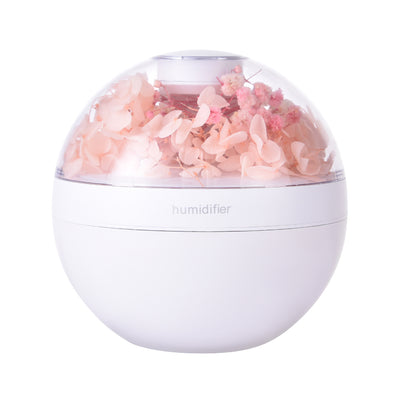
Featured Pick
Creative Silent Air Humidifier
Ultrasonic cool mist, whisper-quiet operation, soft LED ambient light, auto shut-off, and aromatherapy support — all in an elegant floral-design shell that looks as good as it performs.
€24,82 Shop Now →Why does this humidifier stand out?
- Ultrasonic vibration technology ensures near-silent operation, perfect for bedrooms and offices
- USB-powered for flexible placement without needing a mains socket nearby
- Built-in soft LED light creates a calming atmosphere at night without disrupting sleep
- Compact spherical design complements any interior — whether modern, Scandinavian, or eclectic
- Auto shut-off when water runs out, giving you complete peace of mind overnight
- Supports essential oil aromatherapy to combine moisture and fragrance in one device
You can also explore the full Home Decor collection or browse our Beauty & Bath Accessories range for more thoughtfully designed products that elevate everyday comfort.
Ready to Breathe Easier at Home?
A silent air humidifier is one of the simplest, most affordable ways to improve the comfort and health of every room in your home. Whether you are looking to sleep better, protect your skin through winter, or simply create a more calming atmosphere on your desk, the right humidifier makes an immediate difference you can feel from the very first night.
Get Yours for €24,82 →